

Natural Cookware
The following Use & Care instructions apply to all Fissler Cookware products listed below.
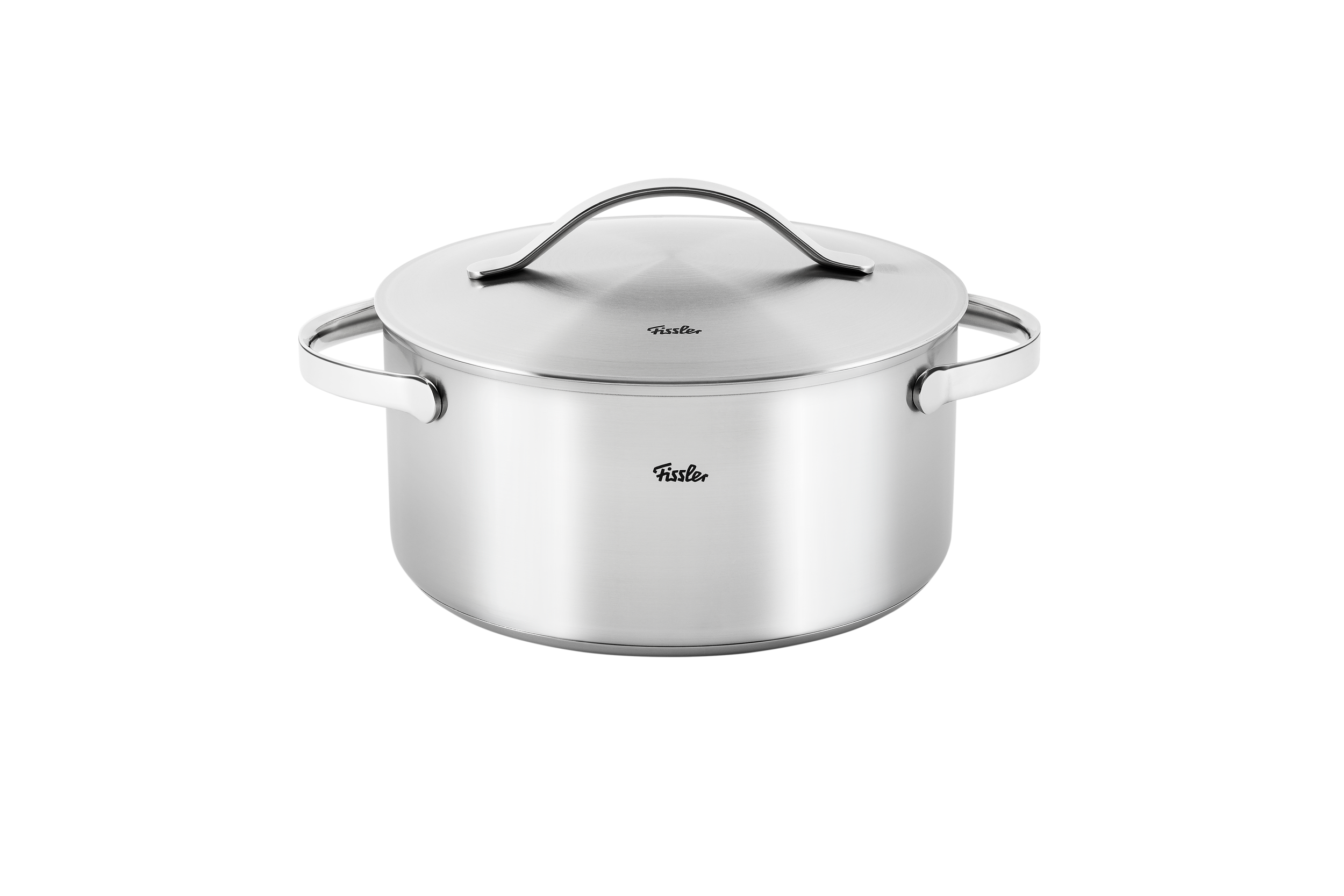
24cm Casserole with lid
P511442
Base Diameter 202mm
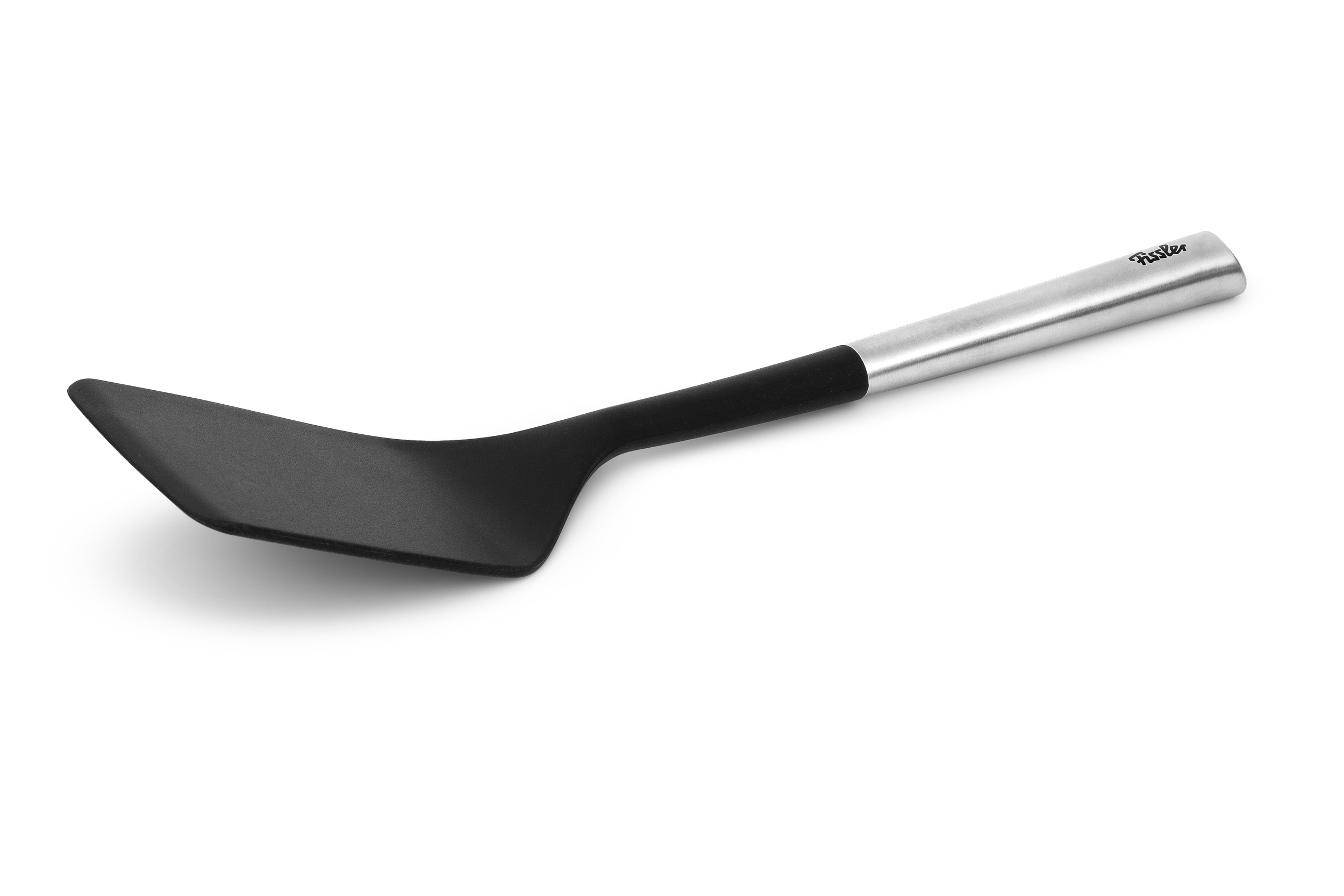
Silicone Turner
-
P511336
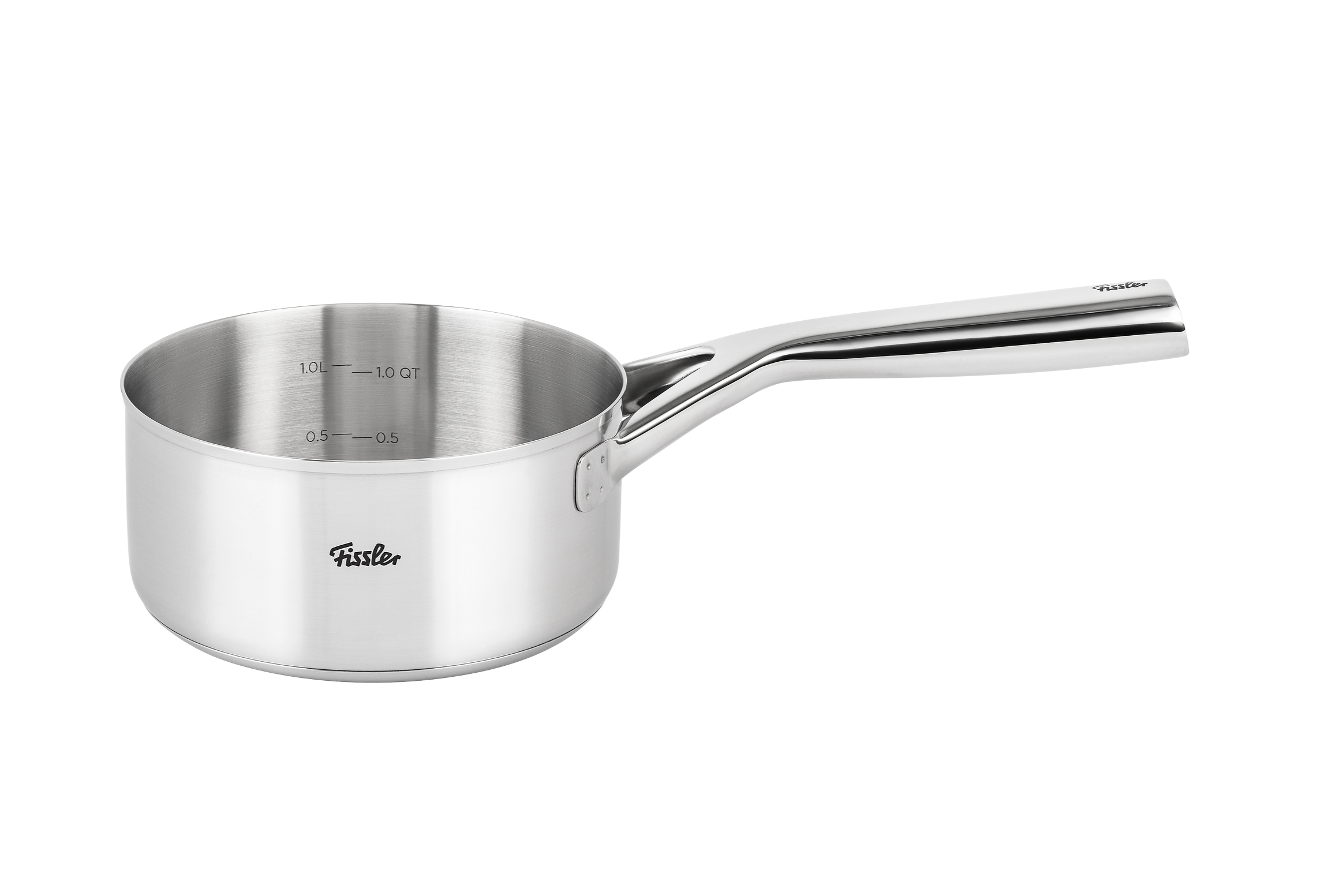
16cm Saucepan
P511324
Base Diameter 127mm

20cm Triply Ceramic Coated fry pan
P5114820
Base Diameter 135mm
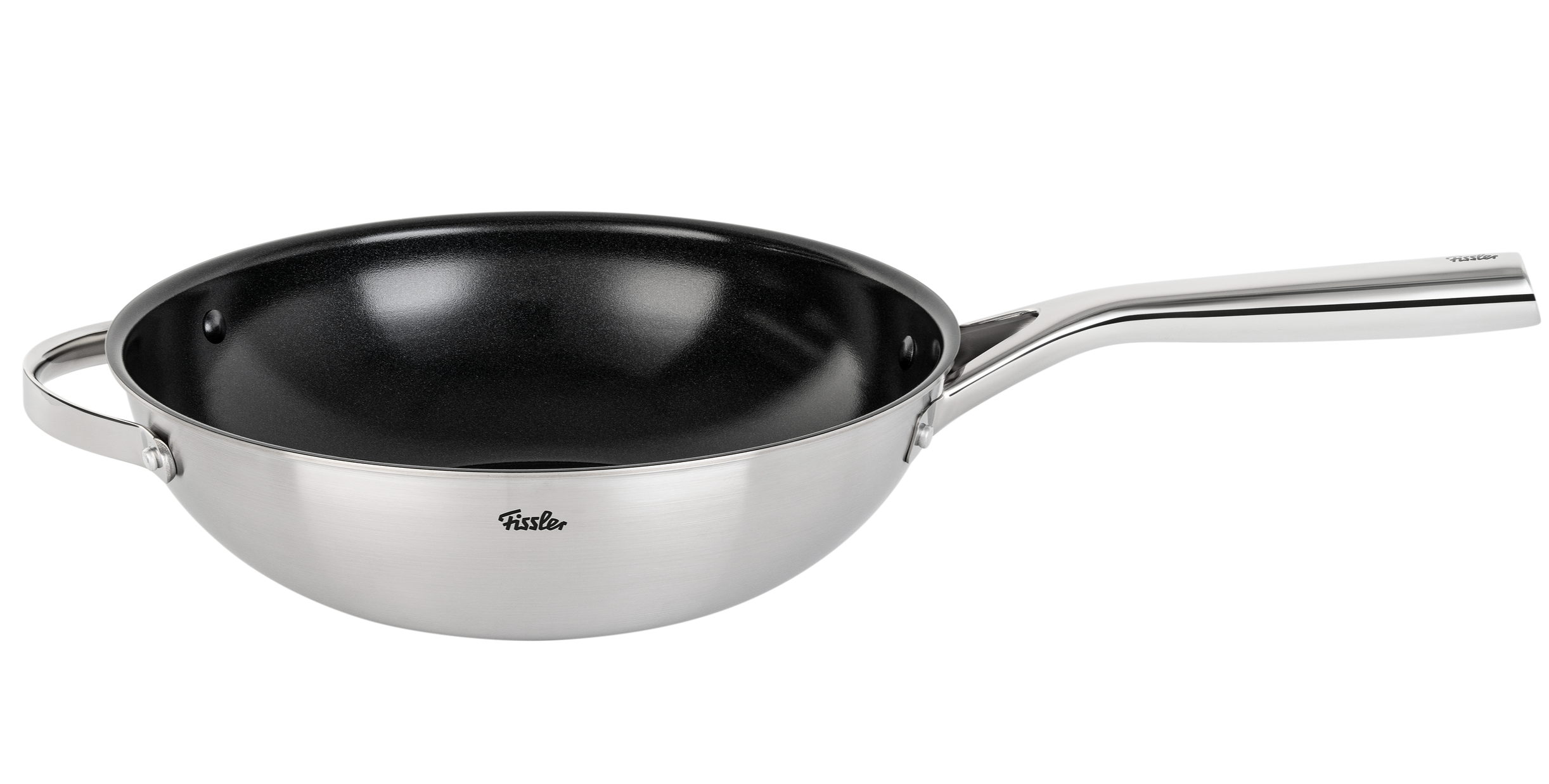
28cm Triply Ceramic Coated Wok
P5114821
Base Diameter 165mm
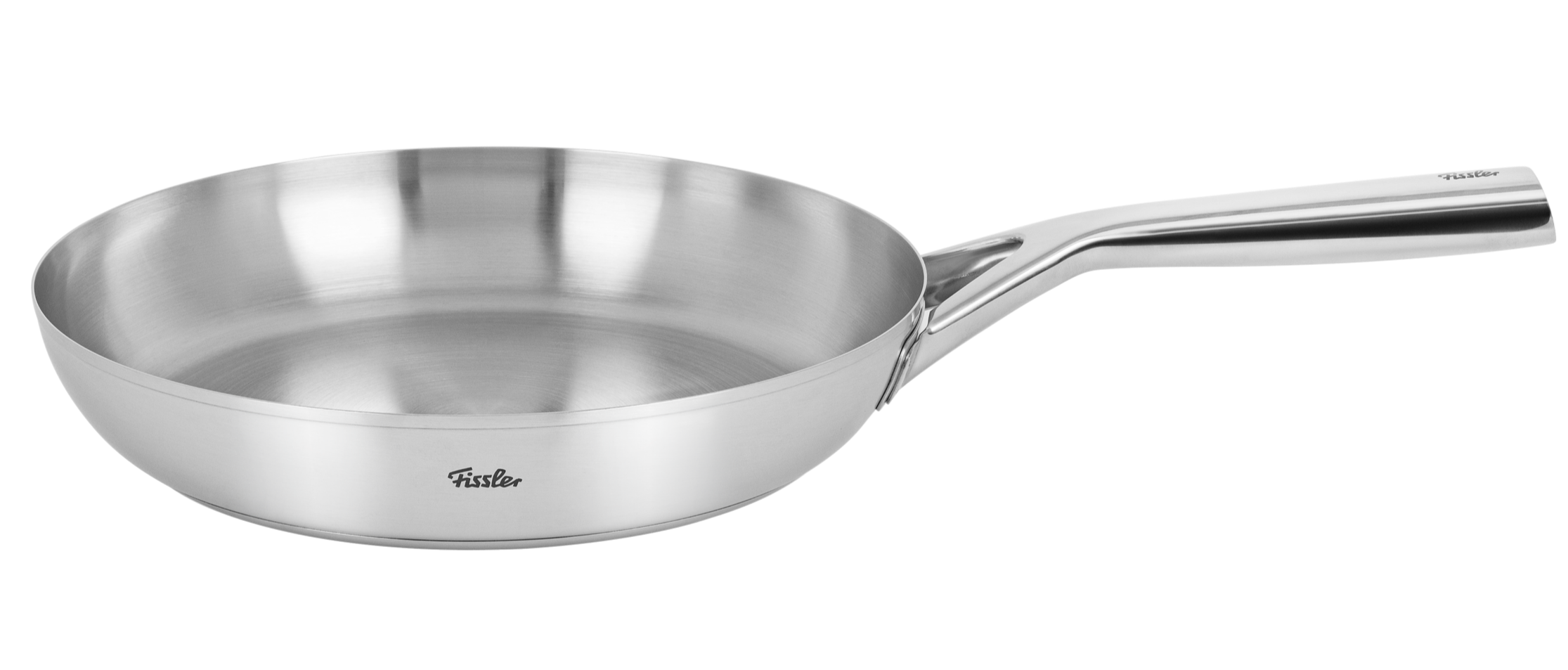
28cm Fry pan
Base Diameter 208mm
P511329
Cooking with Your Stainless Steel Pans
Cooking with Your Ceramic Coated Pans
Caring For Your Fissler Cookware


Preheat the pan for no longer than 10 seconds before adding oil or butter.

Avoid overheating to prevent food or fats from burning. Never let oil smoke or burn.

Make sure the heat source matches the size of the bottom of the pan (same size or smaller).

To prolong the life of your pan, avoid using metal utensils and use pan protectors when stacking cookware.

Always wipe and dry the base of the pan and the hob before using on induction hobs to avoid marking.
1. Important Safeguards
Read all safety information carefully and thoroughly before using this product.
Do not use steel wool or other metal pads.
Never leave cookware on a hot burner longer than necessary or allow the pan to boil dry.
Do not plunge a hot pan directly into cold water—this can cause damage.
This cookware is not suitable for use in a microwave oven.
Do not use sharp-edged or metal utensils, and avoid cutting directly in the cookware.
Use only plastic, silicone, or wooden utensils to preserve the cookware's surface.
Avoid overheating oils or fats, as this can degrade the cookware and create safety hazards.
Never leave cookware unattended while cooking.
Do not allow children near the hob while cooking.
Handle Care:
Handles may become hot during use. Always use dry oven gloves or pot holders.
Condensation and steam from the lid can make the handles hot—handle with caution.
Never let handles stick out over the edge of the cooker or kitchen surface, as this can cause accidents.
If the coating disintegrates due to overheating, stop using the cookware immediately and ensure the area is well ventilated.
2. Usage Guide
Before First Use:
Remove all packaging materials and labels. Please recycle waste properly.
Wash in warm, soapy water; rinse and dry thoroughly with a soft cloth.
Cooking Guidelines:
General Recommendations:
Always use low to medium heat for optimum energy efficiency and performance.
Preheat the cookware for no longer than 10 seconds to prevent damage.
Center your cookware over the heat source for even heating and to avoid damage.
Do not fill cookware more than 2/3 of its capacity when deep frying. Avoid using lids while frying.
If the cookware shows visible wear, such as peeling or exposure of the silvery substrate, stop using it.
Gas Hobs:
Adjust the flame size so it does not extend beyond the base of the cookware to prevent overheating.
Halogen and Ceramic Hobs:
Ensure the size of the heat surface is not greater than the base of the cookware.
Keep the hob and cookware clean to avoid scratches.
Induction Hobs:
Suitable for use on induction cooktops.
It is normal for some noise to occur during preheating due to the electromagnetic properties of induction heating.
Cooking efficiency may vary based on the diameter of the pan and the power of your induction cooktop.
If the induction hob size is larger than the cookware base diameter, the cookware may not be detected. Consult your induction hob’s user manual for the minimum base diameter requirements.
Oven Use:
All Fissler cookware is oven-safe up to 230°C (446°F) for up to 1 hour.
Note that the colour of your cookware may change when exposed to high oven temperatures.
3. Care and Cleaning
Allow cookware to cool before cleaning.
Cookware is dishwasher safe; however, frequent dishwasher use may affect its appearance over time.
After dishwashing, white spots may appear on the cookware. These can be removed with a non-abrasive cloth.
Clean the exterior of your cookware regularly to maintain its appearance.
Overheating or letting cookware boil dry may cause discoloration (e.g., bronze, blue, or rainbow tints). Use a stainless steel cleaner to remove these stains.
A white film caused by water minerals or starch can be removed with a soft sponge dipped in lemon juice or vinegar.
Avoid adding salt to cookware until the liquid is boiling to prevent white spots or pitting, which cannot be removed.
Cleaning Tips:
Do not use sharp steel wool or abrasive pads, as these can damage the surface.
For tougher stains or burns, fill the pan with warm water and let it soak before cleaning with a non-abrasive sponge.
Avoid using oven cleaners, abrasive cleaning products, or anything containing chlorine bleach.
Storage Recommendations:
To avoid scratches or chipping, nest cookware carefully and avoid placing sharp-edged lids or utensils inside.
Use pan protectors or soft cloths between stacked cookware to preserve the surface.
Notes:
Over time, non-stick coatings may lose their effectiveness due to normal wear and tear.
All capacities stated are approximate and measured to the brim.